
The challenge
An energy sector organisation was experiencing chronic maintenance planning failures. Planned maintenance adherence sat at 68 per cent — meaning nearly a third of scheduled maintenance activities were being deferred, rescheduled, or missed. The consequences were predictable: increasing unplanned downtime, reactive work consuming ever more resource, and a vicious cycle where poor planning led to more breakdowns, which led to more reactive work, which further undermined the planning process.
The planning team was working hard, but the planning cycle itself was flawed. Schedules were overloaded, work prioritisation was unclear, spare parts availability was unreliable, and there was no effective escalation mechanism when planned work was blocked.
Our approach
We began by mapping the planning-to-execution value stream: how maintenance work was identified, prioritised, scheduled, resourced, executed, and closed. The map revealed several critical gaps: a weekly planning cycle that was too infrequent for the volume and complexity of work, no visual mechanism for tracking work status between planning and execution, spare parts availability checks happening too late in the cycle, and no structured daily review of plan execution and emerging issues.
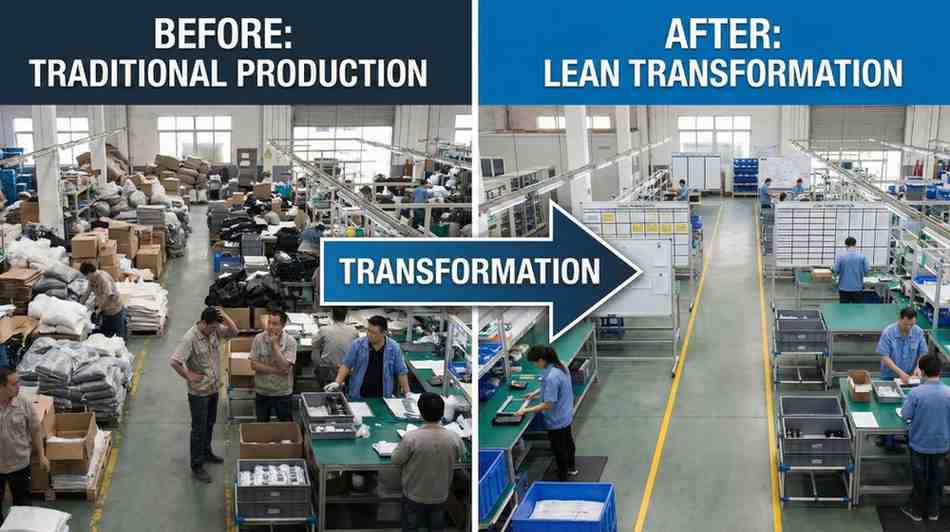
Working with the planning, maintenance, and operations teams, we redesigned the planning cycle to a daily planning-execution rhythm. We introduced a visual management system that tracked every planned job from scheduling through to completion, including parts readiness, resource allocation, and access requirements. We established a daily stand-up meeting that brought planners, supervisors, and operations together to review the day's plan, identify blockers, and agree on priorities.
We also coached maintenance supervisors in daily management techniques — how to run effective team briefs, how to manage short-interval control of work progress, and how to escalate issues before they derailed the day's plan.
The results
Planned maintenance adherence improved from 68 per cent to 89 per cent within sixteen weeks. Unplanned downtime reduced by 35 per cent as the improved maintenance regime prevented breakdowns that had previously been accepted as normal. The daily planning rhythm and visual management system gave the team shared visibility and a common operating picture that had not existed before.
The most valuable outcome was the cultural shift: the maintenance team moved from a reactive to a proactive operating mode. Problems were anticipated and addressed before they disrupted the plan, rather than after.