
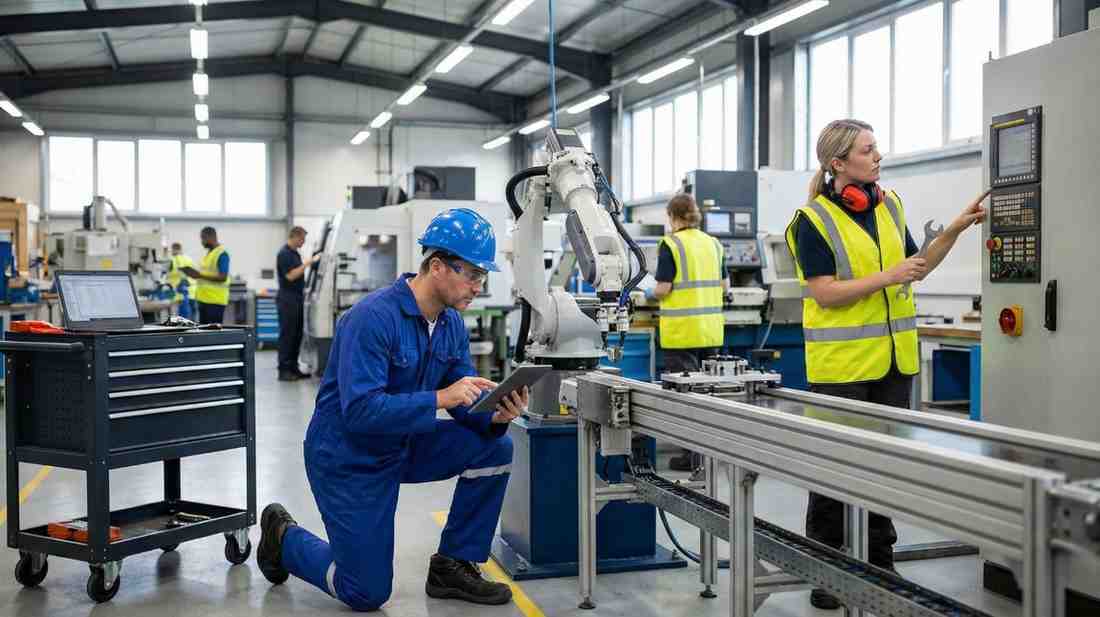
How to Reduce Rework in Production: A Practical Approach
Rework is one of the most expensive forms of waste in production environments. Learn a structured approach to identifying root causes and building quality in at source.
Rework is one of the most expensive forms of waste in production environments. Learn a structured approach to identifying root causes and building quality in at source.
Rework is one of the most expensive forms of waste in any production or service environment. It consumes capacity, disrupts schedules, increases lead times, and erodes margins. In highly regulated sectors like aerospace or life sciences, rework also triggers additional inspection, documentation, and review requirements — multiplying the time and cost far beyond the direct work of fixing the defect.
Despite its impact, many organisations accept rework as normal. It becomes built into the schedule, factored into capacity planning, and treated as an inevitable cost of doing business. This acceptance is the biggest barrier to improvement. Rework is not inevitable. It is a symptom of process problems that can be identified and addressed.
Understanding why rework occurs
Rework happens when work is not done right the first time. The causes fall into several categories:
Process capability. The process itself is not capable of consistently producing the required output. Tooling is worn. Equipment is not calibrated. Environmental conditions vary. The process design assumes a level of precision that the equipment cannot reliably deliver.
Standard work gaps. The best-known method is not documented, or the documentation does not reflect the actual method needed to produce good output. Operators develop their own methods, leading to variation and inconsistent quality.
Material and input variation. Incoming materials or information from preceding process steps are inconsistent. Variation in raw materials, components, or data creates defects that the current process step cannot correct.
Skill and training gaps. Operators lack the training or experience to perform the work consistently. This is especially common when turnover is high or when work is rotated between teams with different skill levels.
Design and specification issues. The product or service design includes features that are inherently difficult to produce reliably with existing processes. Tight tolerances, complex configurations, or ambiguous specifications create systematic rework generators.
A structured approach to reducing rework
Step 1: Measure and categorise. Before you can reduce rework, you need to understand its scale and distribution. For every defect that causes rework, capture: what went wrong, where in the process it occurred, where it was detected, and the time and cost to correct it. Analyse this data using Pareto charts to identify the vital few defect types that drive the majority of rework.
Step 2: Go to Gemba. For each top rework category, go to the point where the defect is created and observe. Watch the process. Talk to operators. Understand the conditions that lead to the defect. The root cause is often different from what the data suggests.
Step 3: Analyse root causes. Use structured tools — 5 Whys analysis, fishbone diagrams, or A3 problem solving — to identify the root cause of each major defect type. Resist the temptation to jump to solutions. Many rework reduction efforts fail because they address symptoms rather than root causes.
Step 4: Implement countermeasures. Design changes that prevent the defect from occurring rather than detecting it after the fact. Error-proofing (poka-yoke) devices, process redesign, standard work updates, and capability training are all effective countermeasures depending on the root cause.
Step 5: Verify and standardise. After implementing a countermeasure, verify that it actually reduces the target defect. If it does, update the standard work and train all affected operators. If it does not, revisit the root cause analysis.
Step 6: Monitor and sustain. Track rework rates daily as part of the team's visual management. Include rework in the daily management meeting agenda. When new rework types emerge, apply the same structured approach.
Building quality in rather than inspecting it out
The Lean approach to quality is fundamentally different from traditional quality management. Instead of relying on inspection to catch defects after they occur, the goal is to build quality into the process so that defects cannot occur — or are detected immediately at the point of creation.
This requires a cultural shift. Every operator becomes a quality inspector. Every process step has built-in checks. No defective work is passed to the next step. Problems are flagged immediately rather than hidden.
If rework is consuming capacity and disrupting delivery in your production environment, we can help. Book a discovery call to discuss a structured approach to reducing rework and building quality at source.

About the author
Audrey Nyamande
Founder, Tacklers Consulting Group
Audrey is a Lean Six Sigma certified aerospace engineer and transformation coach. She has led improvement programmes in high-stakes engineering, manufacturing, and MRO environments across the UK, helping organisations reduce waste, protect expertise, and build capability that lasts.
View speaker profile: Global Lean Summit 2026Learn more about our teamNext steps
Turn insight into practical operational gains
If this topic matches your current priorities, explore our service pathways or book a focused discovery call.
Further reading
Explore our insights

Leadership
Lean Leadership Principles for Operational Managers
Lean leadership is not about tools — it is about how leaders behave, coach, and create the conditions for teams to improve. Learn the core principles every operational manager needs.

Operational Excellence
Operational Excellence Framework: How to Build One That Holds
An operational excellence framework provides the structure for sustained performance improvement. Learn how to design one that aligns strategy, processes, people, and management routines.
Industry Insights
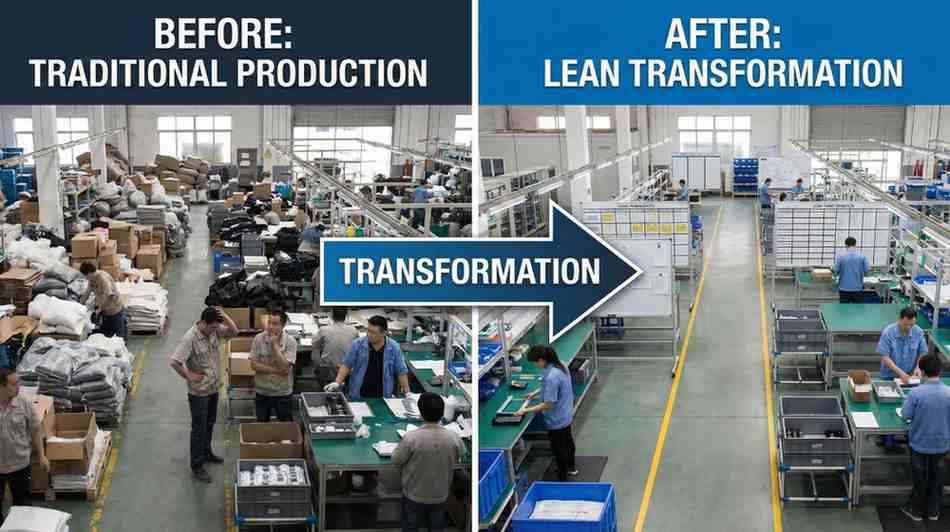
Lean Manufacturing in the UK: A Practical Guide
UK manufacturing faces persistent productivity challenges. Learn how Lean principles drive measurable improvement in production flow, quality, and delivery reliability.

Lean Transformation
How to Sustain Lean Improvements After the Consultants Leave
The biggest test of any improvement programme is what happens when external support ends. Learn how to build the management routines and capability that make Lean stick.