
Operational Excellence Framework: How to Build One That Holds
An operational excellence framework provides the structure for sustained performance improvement. Learn how to design one that aligns strategy, processes, people, and management routines.
An operational excellence framework provides the structure for sustained performance improvement. Learn how to design one that aligns strategy, processes, people, and management routines.
Every organisation that pursues operational excellence needs a framework — a coherent structure that connects strategy to daily management, aligns processes with customer value, and creates the conditions for sustained improvement. Without a framework, improvement activity becomes fragmented: isolated projects that deliver local gains but never add up to systemic change.
The challenge is that most frameworks look good on paper and fail in practice. They are too complex, too theoretical, or too disconnected from how work actually gets done. A framework that sits in a slide deck but is not visible on the shop floor is not a framework — it is a wish list.
This guide covers how to build an operational excellence framework that is practical, actionable, and sustainable.
What an OpEx framework must include
An effective operational excellence framework has five interconnected layers:
Layer 1: Strategic alignment. The framework connects organisational strategy to improvement priorities. Tools like Hoshin Kanri (strategy deployment) translate annual objectives into quarterly and monthly actions that teams can execute. Without strategic alignment, improvement activity becomes self-referential — teams improve things that do not matter to the business.
Layer 2: Process management. The framework defines how core processes are managed, measured, and improved. This includes value stream ownership, process performance metrics, and a standard approach to identifying and eliminating waste. Process management ensures that improvement targets the work that creates value for customers, not internal metrics that may not correlate with customer outcomes.
Layer 3: Daily management system. The framework establishes the routines that sustain performance and enable rapid problem resolution. Daily team meetings, visual performance boards, tiered escalation, short interval control, and leader standard work create a management rhythm that makes performance visible and problems actionable.
Layer 4: Capability development. The framework includes a structured approach to building the skills and knowledge the organisation needs to improve. Problem-solving training, Lean tools certification, coaching development for leaders, and on-the-job mentoring create the human capability that drives improvement. Without investment in capability, the framework depends on external support and cannot sustain independently.
Layer 5: Culture and leadership. The framework defines the leadership behaviours and cultural norms that support operational excellence. Leaders who coach rather than direct, who are visible at Gemba, who follow through consistently, and who create psychological safety for teams to raise problems and suggest improvements. Culture is not a separate initiative — it is the cumulative effect of how leaders behave every day.
Designing your framework: practical steps
Step 1: Assess your maturity. Before designing a framework, honestly assess where the organisation stands today. Use a maturity model with five levels: reactive (fire-fighting), managed (basic controls in place), systematic (standard processes defined), integrated (processes aligned with strategy), and optimising (culture of continuous improvement). Most organisations are at level 2 or 3.
Step 2: Define the target state. Based on your strategic priorities and current maturity, define what the framework should look like in 12 to 24 months. Be specific: what routines will be in place, what metrics will be reviewed, what capability will exist, what leadership behaviours will be the norm.
Step 3: Build the daily management foundation first. The temptation is to start with strategy deployment or culture change. Resist it. The daily management system is the foundation everything else rests on. If teams cannot sustain a daily meeting and a visual board, no amount of strategic alignment will help.
Step 4: Connect improvement to strategy. Once daily management is functioning, connect the improvement priorities that emerge from daily operations to the organisation's strategic goals. This ensures that the energy teams spend on improvement creates maximum value for the business.
Step 5: Invest in capability. Train people at every level. Frontline teams learn basic problem solving. Team leaders learn A3 thinking and coaching. Managers learn strategy deployment and process management. Leaders learn how to create the conditions for operational excellence. Capability building is not a one-off training event — it is an ongoing investment.
Step 6: Review and adapt. The framework is not static. Review it quarterly. What is working? What is not being used? Where are the gaps? Adapt the framework based on what you learn rather than defending the original design.
Common framework failures
Too complex. If the framework requires a 50-page manual to explain, it is too complex. Simplify until it can be communicated on a single page.
Not visible. If the framework exists only in documents and presentations, it is not real. The framework should be visible in every team area: on performance boards, in meeting agendas, in the questions leaders ask at Gemba.
Disconnected from daily work. If people cannot explain how the framework affects what they do today, it is not integrated. The framework must be embedded in daily routines, not layered on top of them.
We help organisations build operational excellence frameworks that work in practice, not just on paper. Book a discovery call to discuss how we can support your operational excellence journey.

About the author
Audrey Nyamande
Founder, Tacklers Consulting Group
Audrey is a Lean Six Sigma certified aerospace engineer and transformation coach. She has led improvement programmes in high-stakes engineering, manufacturing, and MRO environments across the UK, helping organisations reduce waste, protect expertise, and build capability that lasts.
View speaker profile: Global Lean Summit 2026Learn more about our teamNext steps
Turn insight into practical operational gains
If this topic matches your current priorities, explore our service pathways or book a focused discovery call.
Further reading
Explore our insights
Leadership
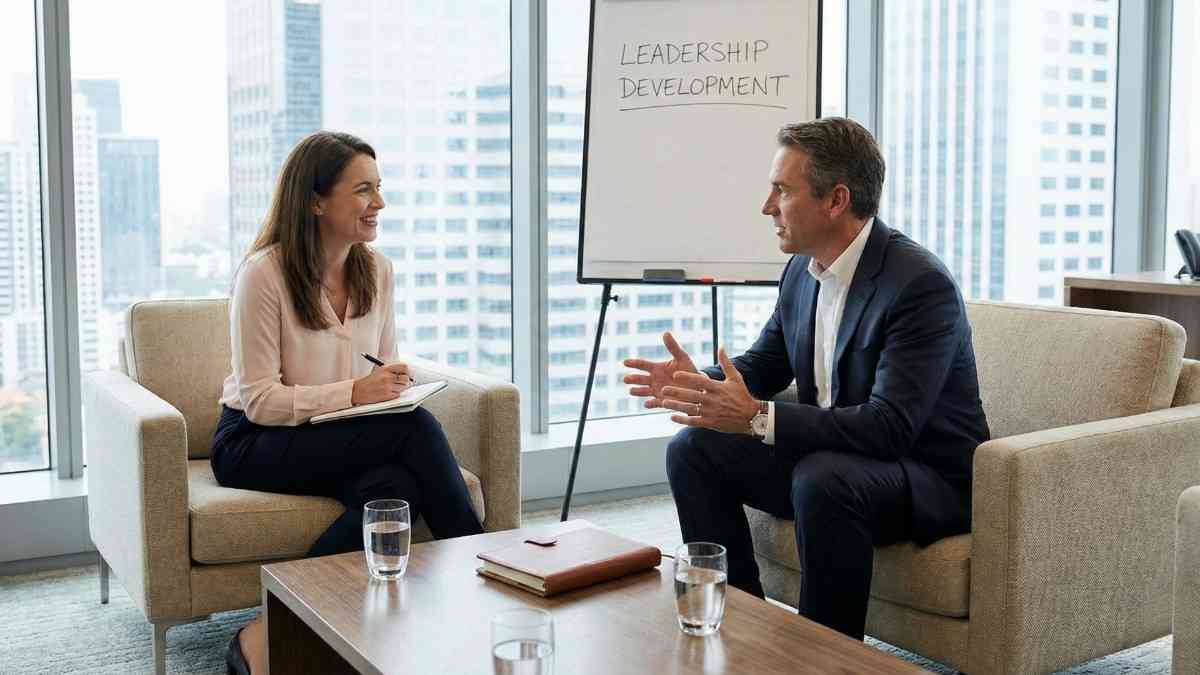
Lean Leadership Principles for Operational Managers
Lean leadership is not about tools — it is about how leaders behave, coach, and create the conditions for teams to improve. Learn the core principles every operational manager needs.

Lean Tools
How to Reduce Rework in Production: A Practical Approach
Rework is one of the most expensive forms of waste in production environments. Learn a structured approach to identifying root causes and building quality in at source.
Industry Insights
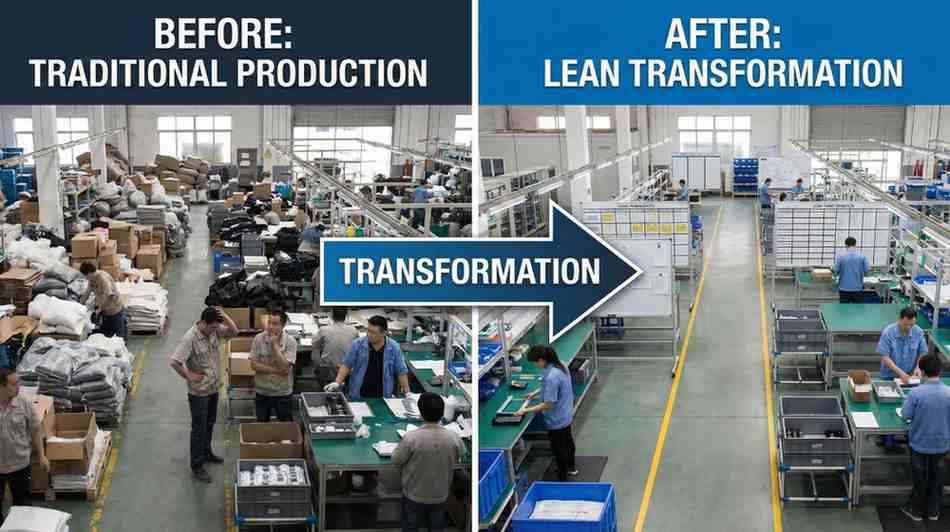
Lean Manufacturing in the UK: A Practical Guide
UK manufacturing faces persistent productivity challenges. Learn how Lean principles drive measurable improvement in production flow, quality, and delivery reliability.
Lean Transformation
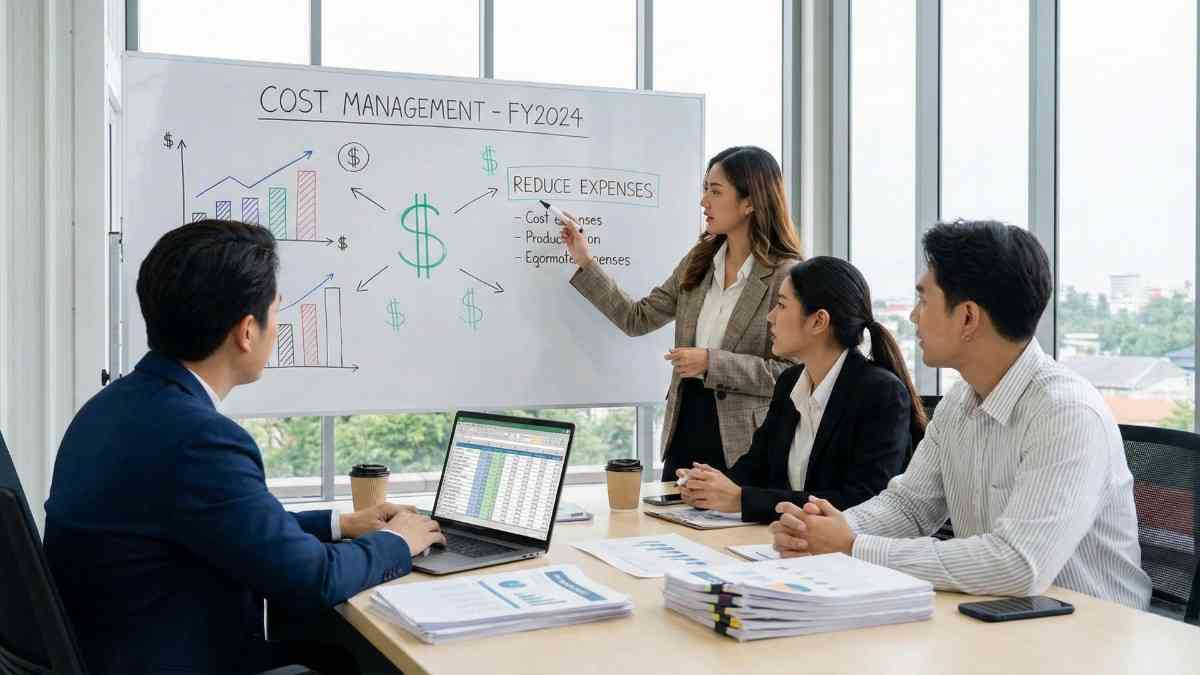
How to Sustain Lean Improvements After the Consultants Leave
The biggest test of any improvement programme is what happens when external support ends. Learn how to build the management routines and capability that make Lean stick.